
Digital marketing has radically transformed how businesses reach customers, build brands, and drive sales in today’s interconnected world. But when did digital marketing actually begin? What propelled this unstoppable shift from traditional marketing? This comprehensive blog explores the inception, evolution, and milestones of digital marketing — a journey that has shaped the global marketplace for over three decades.
What is Digital Marketing?
Digital marketing involves using digital channels—such as websites, search engines, social media, email, and mobile apps—to promote products and services to targeted consumers. It relies on electronic devices and the internet to optimize reach, engagement, and conversions.
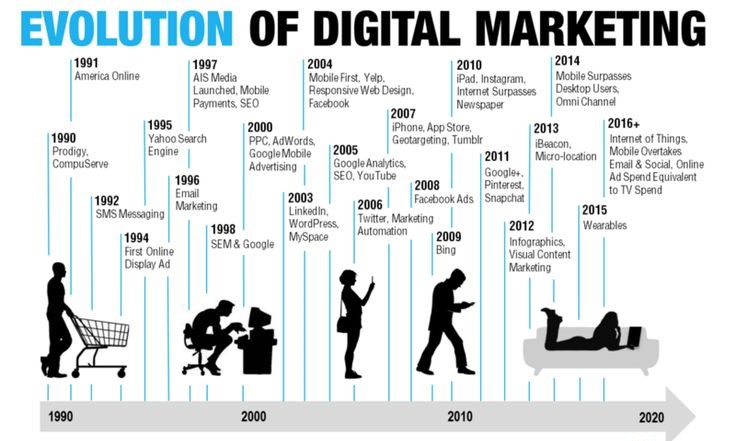
The Historical Timeline: When Digital Marketing Began
Below is an overview table highlighting important digital marketing milestones globally:
| Year | Milestone | Description |
|---|---|---|
| 1990 | Archie Search Engine | The first search engine indexing FTP sites, marking an important early step in digital marketing’s foundation. |
| 1993 | First Clickable Banner Ad | HotWired launched the first clickable banner ads, creating the first true digital advertising format. |
| 1994 | Yahoo Launch | Yahoo’s debut makes mass digital advertising and search optimization priorities for marketers. |
| 1995 | Term “Digital Marketing” Coined | Digital marketing gains wider adoption as the internet goes mainstream. |
| 1998 | Google Founded | Google’s search engine revolutionized online marketing with SEO and PPC capabilities. |
| 2000 | Google AdWords Introduced | PPC advertising introduced, inventing precise, cost-effective online ad targeting. |
| 2004 | Facebook Launch | Social media platforms transform marketing outreach and engagement overnight. |
| 2006 | Twitter Launch | Microblogging offers a new way to connect brands with consumers in real time. |
| 2010s | Mobile Internet and Apps Boom | Mobile marketing takes center stage with smartphones and app usage explosion. |
| 2020s | AI and Personalization Revolution | AI-driven analytics, automation, and personalized advertising redefine digital marketing’s future. |
How Digital Marketing Started?
The Early 1990s: The Dawn of Digital Marketing
- The idea of marketing through digital platforms began with the early internet and pioneering digital technologies.
- Archie, launched in 1990, served as the first search engine indexing internet content.
- By 1993, the first clickable banner ads appeared—marking the birth of online advertising.
Mid-1990s Breakthroughs
- Launches of Yahoo (1994) and other search engines helped companies optimize websites and directed digital advertising spend.
- Email marketing and foundational promotional websites made their debut.
- Businesses began to recognize the internet’s potential as a marketing medium but remained cautious.
The Late 1990s and Early 2000s: Growing Momentum
- Google was founded in 1998, revolutionizing search and SEO.
- Paid advertising became measurable and scalable via Google AdWords (PPC) in 2000.
- Social media platforms like MySpace (2003), Facebook (2004), and Twitter (2006) introduced new interactive marketing channels.
Evolution of Digital Marketing: Key Phases
| Era | Focus | Key Developments |
|---|---|---|
| 1990s | Introduction | Search engines, email marketing, banner ads |
| 2000-2010 | Expansion | SEO, Google AdWords, social media emergence |
| 2010-2020 | Mobile & Social Media | Smartphones, apps, influencer marketing |
| 2020-Present | AI & Automation | Personalization, AI-driven campaigns, data analytics |
Why Did Digital Marketing Grow Rapidly?
- Internet Accessibility: Millions worldwide began accessing the internet in the 1990s and early 2000s.
- Cost-effectiveness: Digital marketing offered more affordable campaigns compared to traditional media.
- Measurability: Click-through rates, conversions, and ROI became easily trackable.
- Audience Targeting: Ability to segment and target specific consumer groups improved marketing precision.
- Social Media: Platforms connected brands directly to consumers, enhancing engagement.
- Mobile Penetration: Over 65% of digital media time is spent on mobile devices today, broadening reach.
Types of Digital Marketing Since its Inception
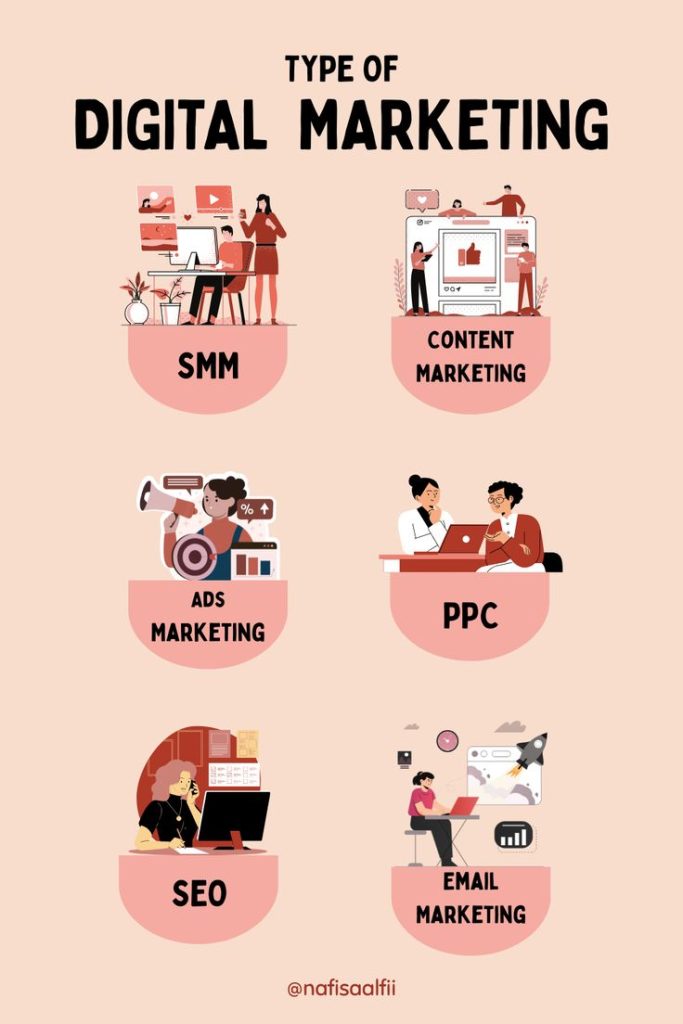
Digital marketing today comprises various disciplines that emerged or evolved over time:
- Search Engine Optimization (SEO)
- Pay-Per-Click Advertising (PPC)
- Content Marketing
- Social Media Marketing (SMM)
- Email Marketing
- Affiliate Marketing
- Mobile Marketing
- Influencer Marketing
- Video Marketing
- Marketing Automation
Digital Marketing vs Traditional Marketing: Then & Now
| Aspect | Traditional Marketing | Digital Marketing |
|---|---|---|
| Channels | Print, TV, radio, billboards | Websites, social media, email |
| Cost | High | Lower and more scalable |
| Targeting | Mass audience | Precise targeting via data |
| Interaction | One-way communication | Two-way, interactive engagement |
| Measurability | Limited | Real-time analytics and metrics |
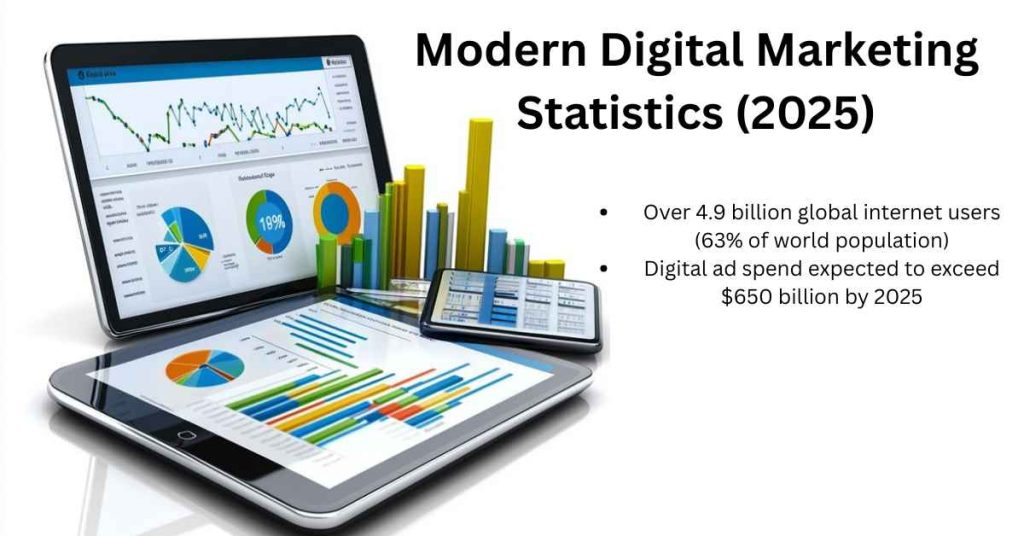
Modern Digital Marketing Statistics (2025)
- Over 4.9 billion global internet users (63% of world population)
- Digital ad spend expected to exceed $650 billion by 2025
- 73% of marketers say improving SEO is a top priority
- 78% of consumers research products online before buying
FAQs About When Digital Marketing Started
Q1: Who first used digital marketing?
The earliest digital marketing efforts began in the early 1990s with banner ads and search engines like Archie and Yahoo. The term “Digital Marketing” became popular in the mid-1990s.
Q2: How did the first digital ads look?
The first clickable banner ad was launched in 1993 by HotWired. It was a simple graphic ad that users could click to visit a website.
Q3: When did social media impact digital marketing?
Social media platforms like Facebook (2004) and Twitter (2006) revolutionized how brands interact with consumers, making marketing more personalized and interactive.
Q4: How has digital marketing evolved?
From basic webpage ads and emails to sophisticated AI-driven personalized campaigns using data analytics and automation—all within 30 years.
Conclusion: The Digital Marketing Journey Continues
Digital marketing’s origins date back to the early 1990s with search engines and banner ads. Since then, it has rapidly evolved into a multi-faceted, data-driven industry that dominates global marketing budgets today. As technology continues to advance with AI and machine learning, digital marketing’s future promises even greater personalization and innovation.
Mastering digital marketing now means understanding its history, adapting to its evolving channels, and leveraging data to engage the modern, connected consumer effectively.
You may also like:- No.1 Digital Marketing Agency in Agra, Best Digital Marketing Agency in Agra
